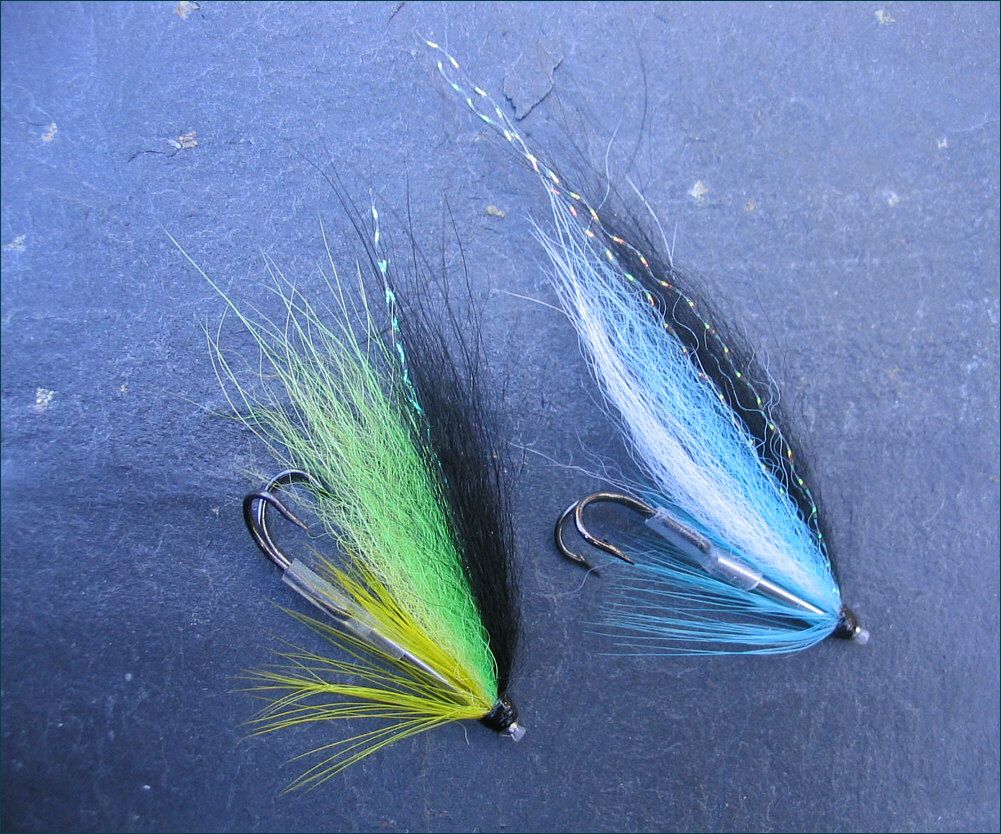
Tube Flies
Fine Fly Tubes for Salmon and Sea Trout Fishing

Developed and introduced
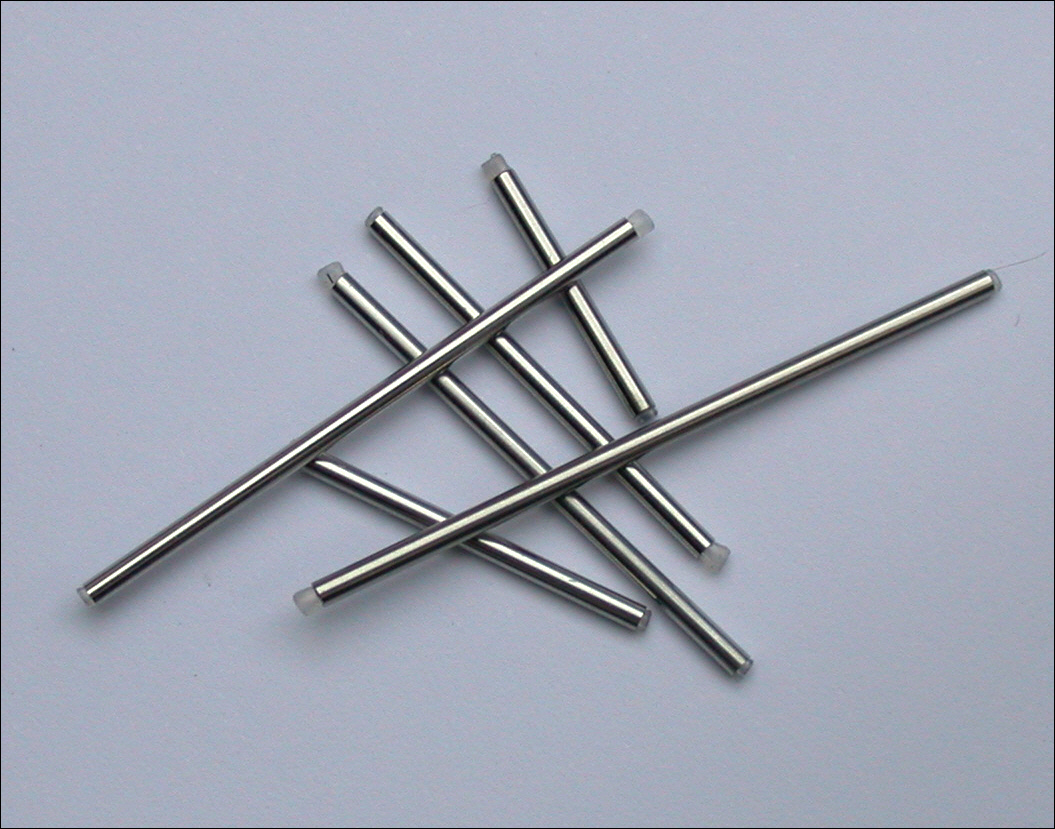
in 2008, Grays Needle Tubes, made from extremely
thin polished stainless steel tubing, are the
finest plastic lined metal tubes ever made for
fly tying, allowing the fly tier to make very
slim sea trout, steelhead and salmon tube flies.
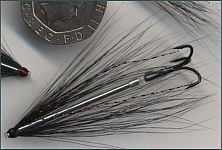
needle tube
fly
see
Sea Trout Tube Flies
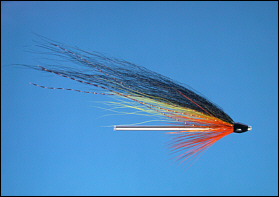
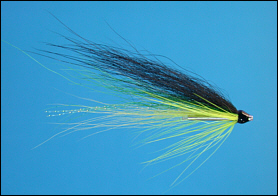
Slim tube flies for salmon, steelhead and sea
trout tube fly fishing
The
tube fly has long been
a favourite among fly tyers.
Tubes in a variety of
materials, such as plastic, aluminium, copper
and brass, have, for many
years, allowed flytyers to make tube
flies, for salmon, steelhead
and sea trout fly fishing, in a useful
range of lengths and weights to suit most
fishing conditions.
Another great advantage of the tube fly is its
durability, as the hook, whether single, double
or treble, can be easily replaced when damaged.
I have always
been a great fan of very slimline fly bodies,
particularly for sea trout fishing at night but
also for salmon fishing.
For many years now, I have used
needle flies,
the slimmest of all flies. I subsequently collaborated with Dave Wallbridge in developing
micro tube flies,
undoubtedly
the thinnest metal tube fly ever devised.
More recent online discussions -
internet fishing forums are a great stimulus to
innovation - led to renewed efforts to produce
slim stainless steel fly
tying tubes with a traditional plastic
liner, with a view to making them available to
fly tyers worldwide. This resulted in a newly
developed range of
Gray's Needle Tubes, made in Scotland by Grays of Kilsyth, and
available online
in a range of lengths and diameters.
Tying Tube Flies
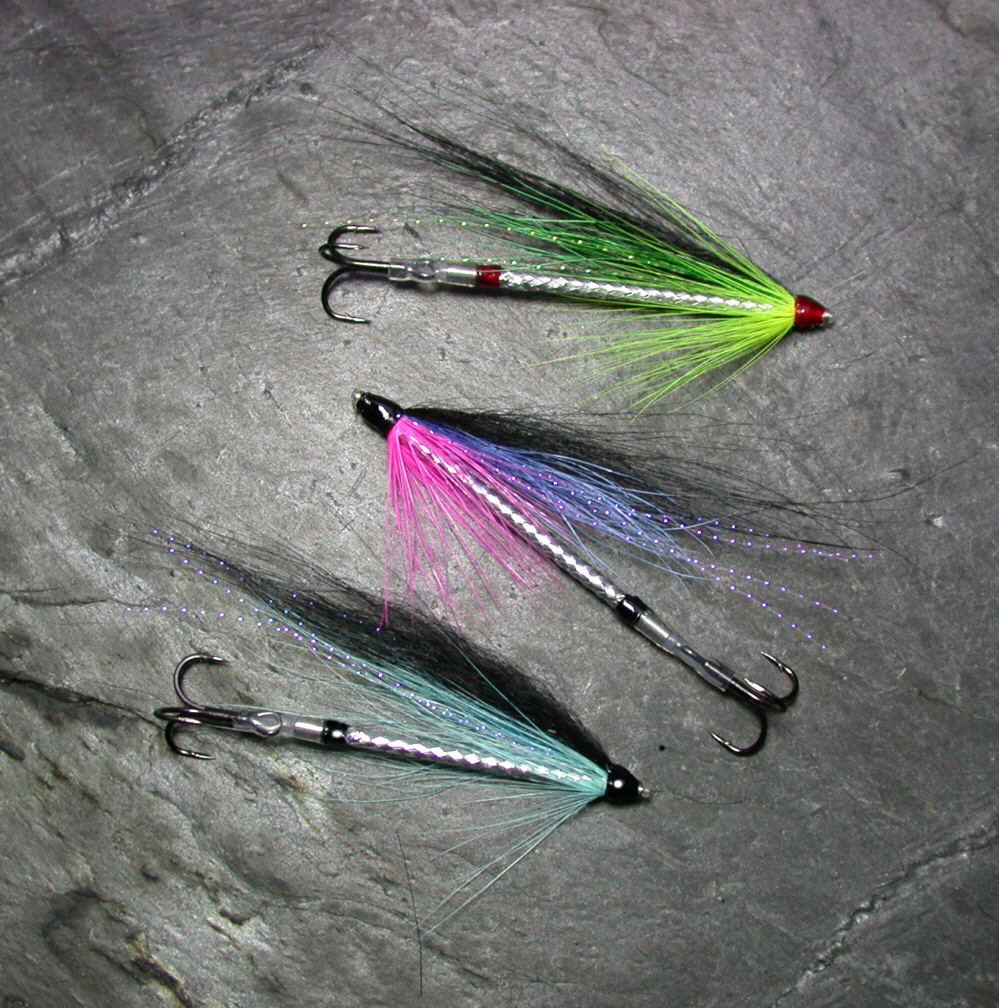
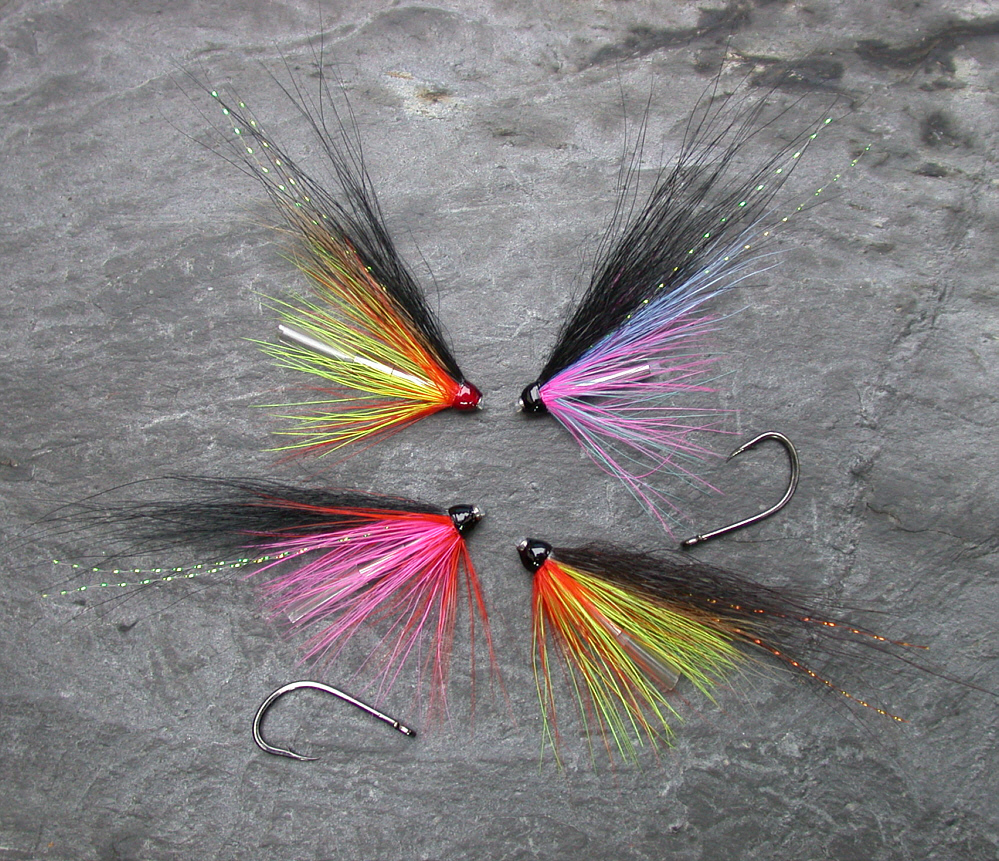
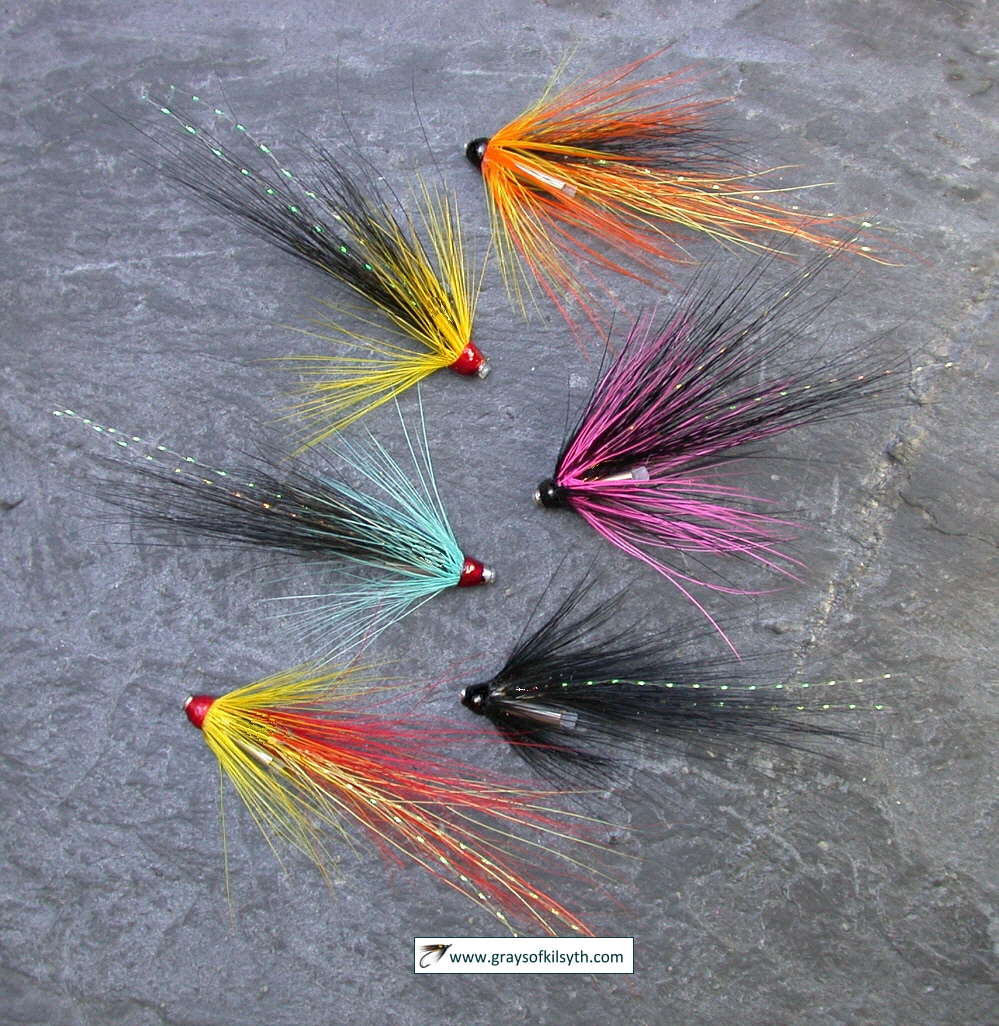
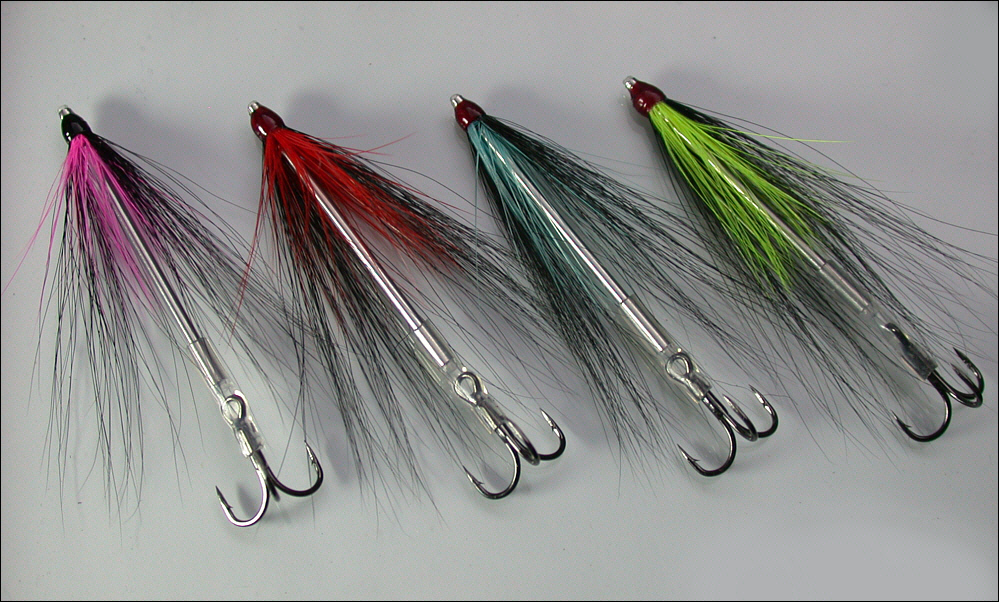
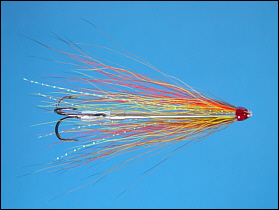
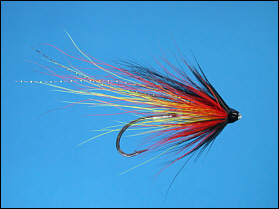
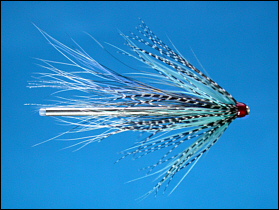
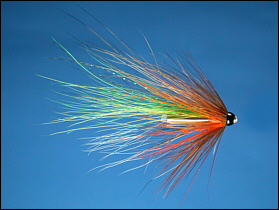
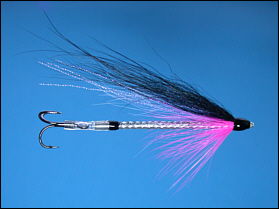
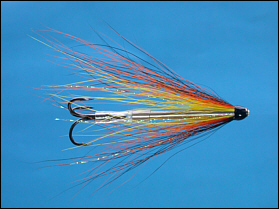
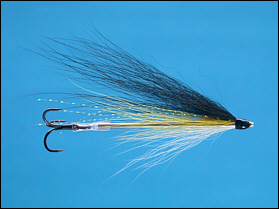
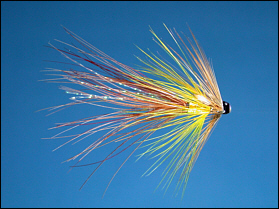
A
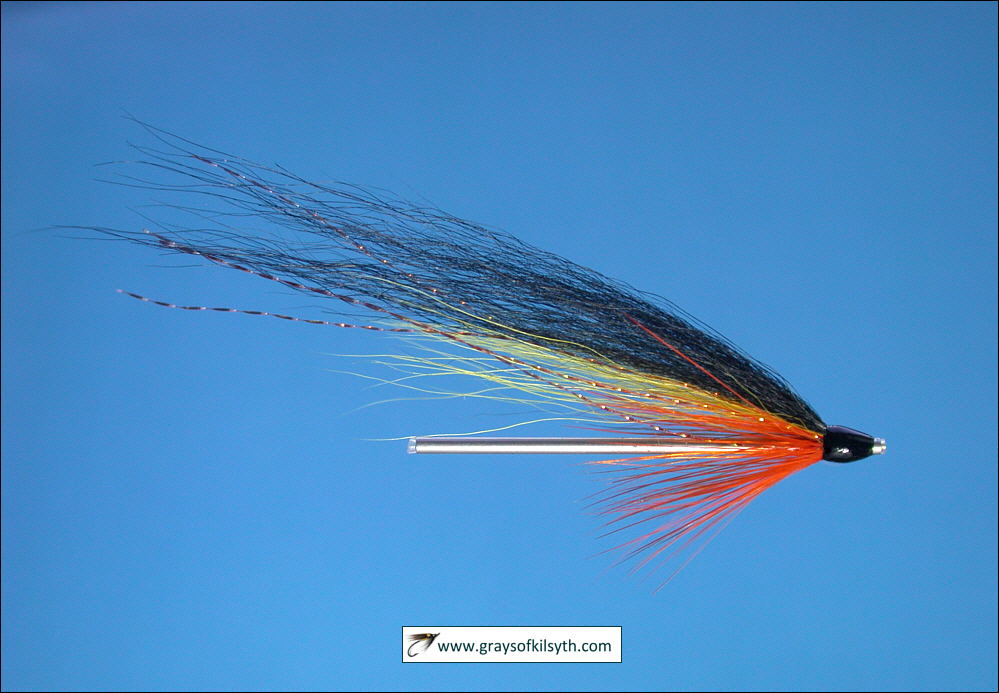
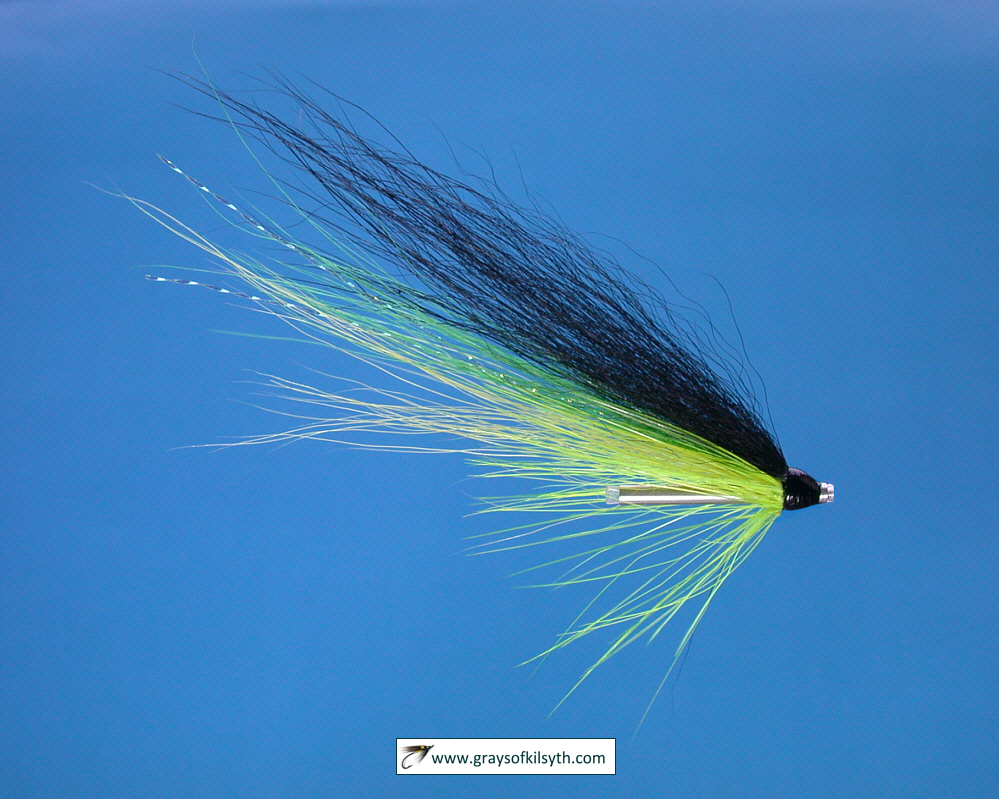
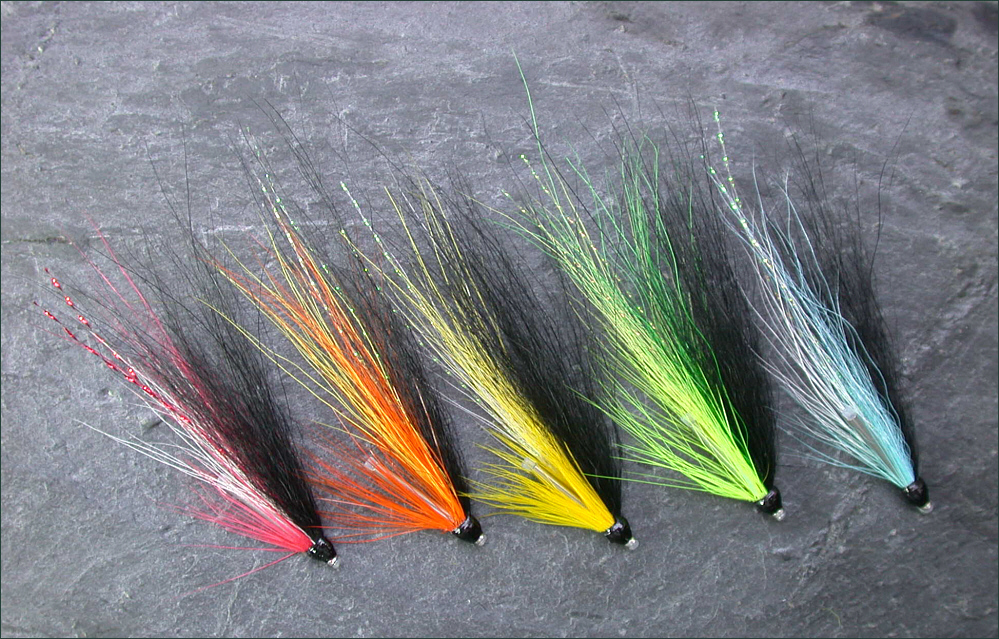
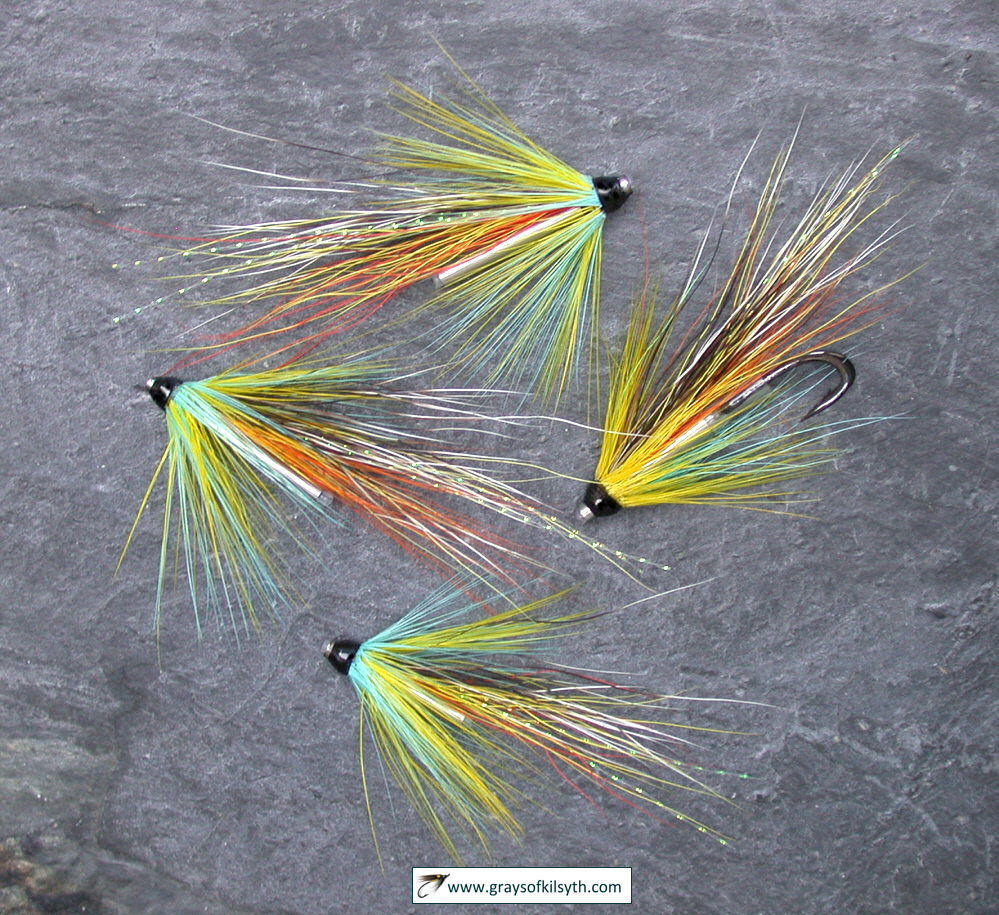
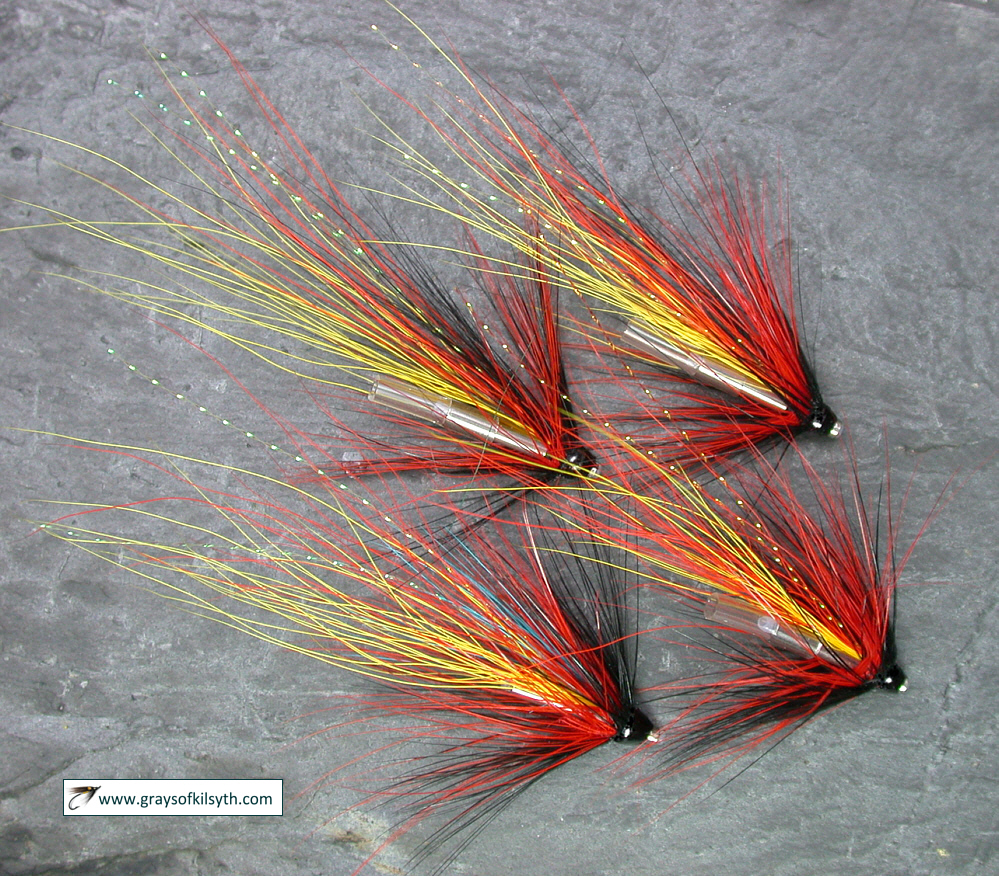
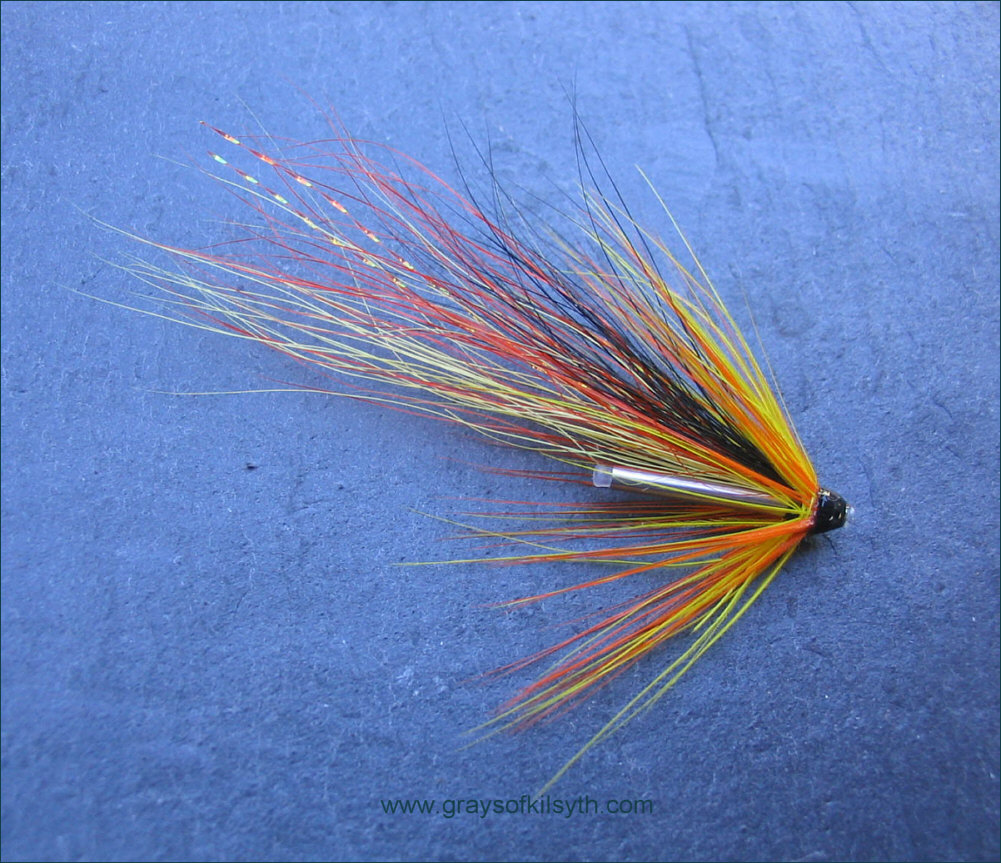
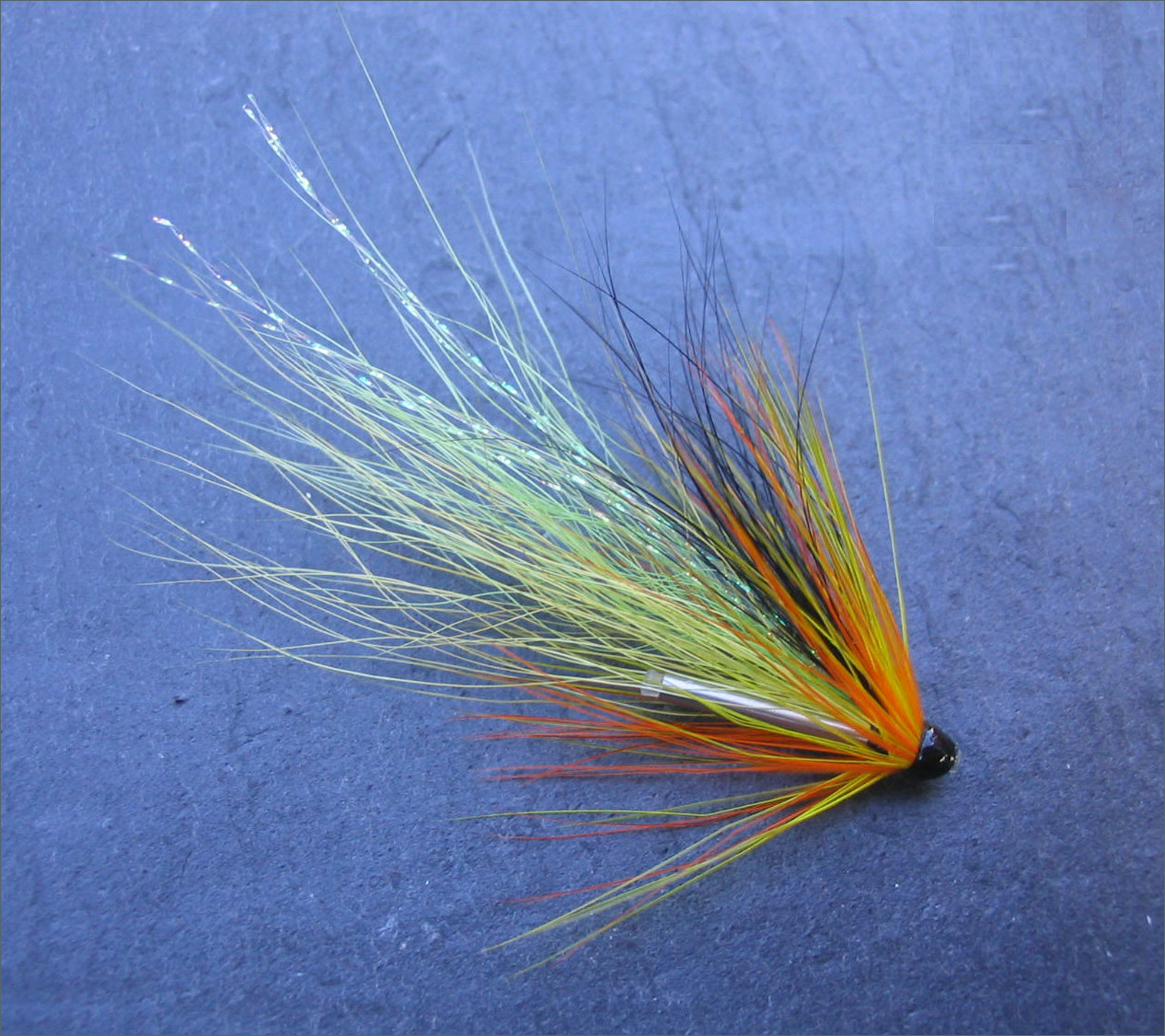
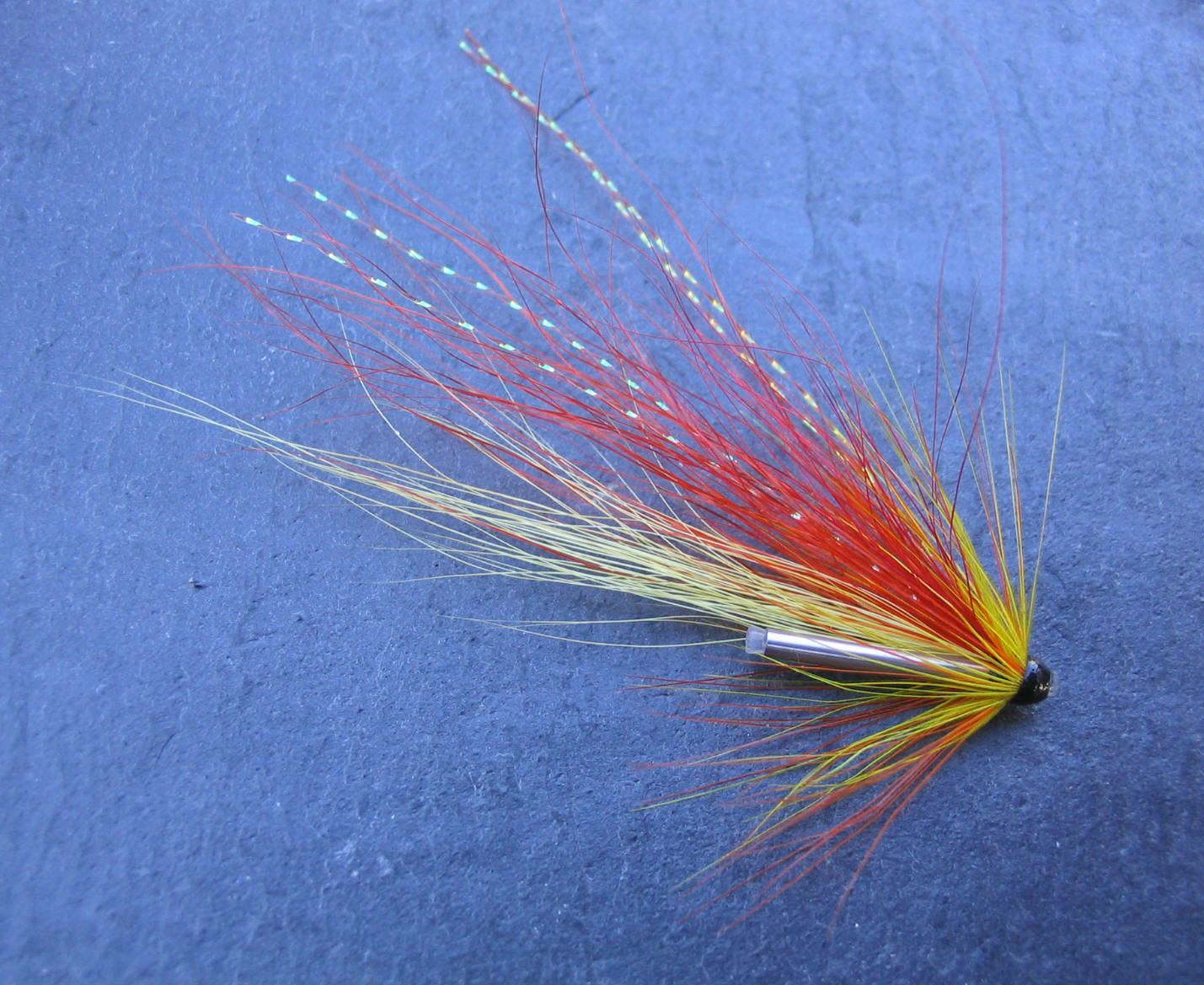
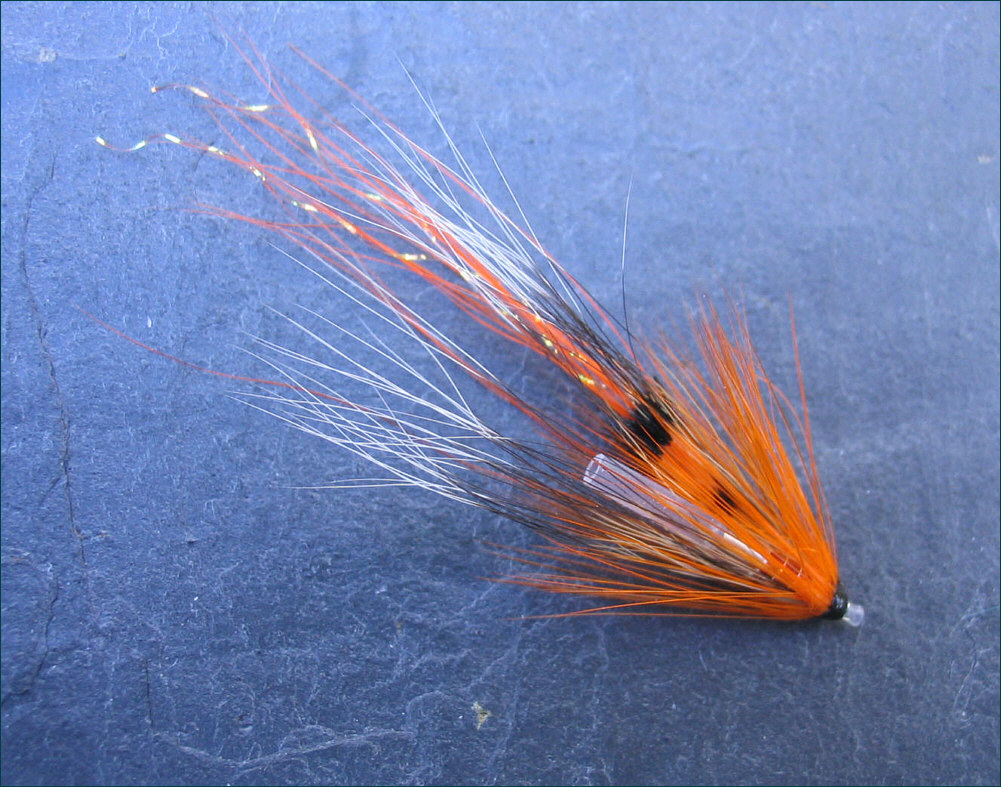
few examples of salmon and
sea trout
tube flies
dressed on fine stainless steel Needle Tubes
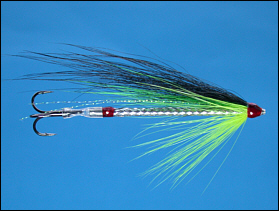

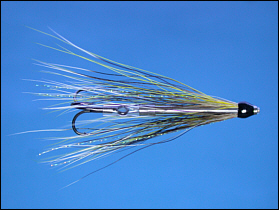
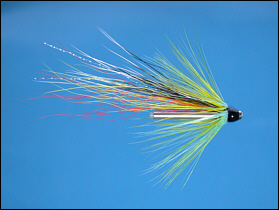
For more
information on tube fly tying, with special
reference to tying tube flies for salmon and sea
trout on the ultra slim stainless steel Needle
Tubes, developed and manufactured by Grays of
Kilsyth in Scotland, see the following pages
linking to illustrated step-by-step articles on
tying tube flies.
Salmon Fly Tying
Sea Trout Fly Tying
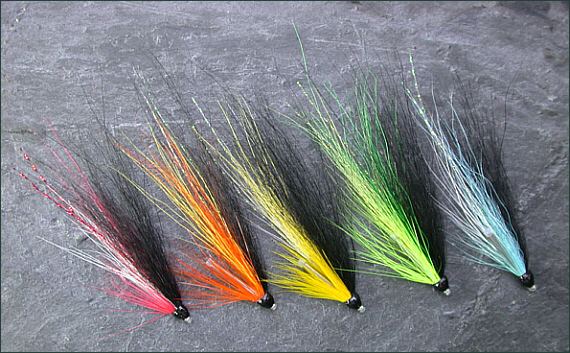 Needle Tube Flies
The new
Needle Tubes can be dressed to create a wide range of tube
flies, from a short and very slim micro tube fly of only
10 mm in length, perhaps for summer grilse in a low
water, through the whole range of 15, 20, 25, 35 and 40
mm tubes, dressed for salmon, steelhead and sea trout
fishing throughout the season. The longer tubes, or a
pair of tubes linked in series, dressed sparsely, make
very attractive sea trout lures, more easily dressed,
more durable and even slimmer than the increasingly
popular (braided nylon) sea trout snake fly.
Being made from fine polished stainless steel, the kind
used in the making of hypodermic needles, needle tube
flies sink more readily than plastic or aluminium tube
flies but fish a little higher, and more attractively,
than the heavier copper and brass tubes. Needle Tube
Flies would have a comparable sink rate and similar slim
profile to flies dressed previously on Waddington
shanks, but with the important benefit that the hook is
easily changed on the needle tube fly. Needle tubes are
also much easier to dress than Waddington or snake
lures.
The shorter needle tubes,
of 10 to 25 mm in length, are well suited also to the
modern style of long winged/tailed fly and make a good
alternative to bottle tubes and the like, the 1.8mm
diameter needle tubes having a bit more weight than the
1.5mm tubes.
For supplies of fine
silicone and PVC tubing, see:
Tube Fly Tubing
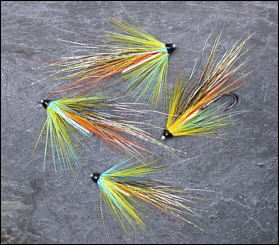 Beltra Badger Tube
Flies
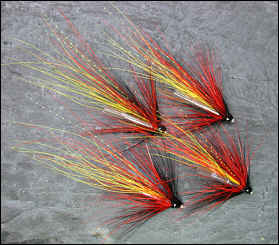 Fiery Shrimp Tube
Flies
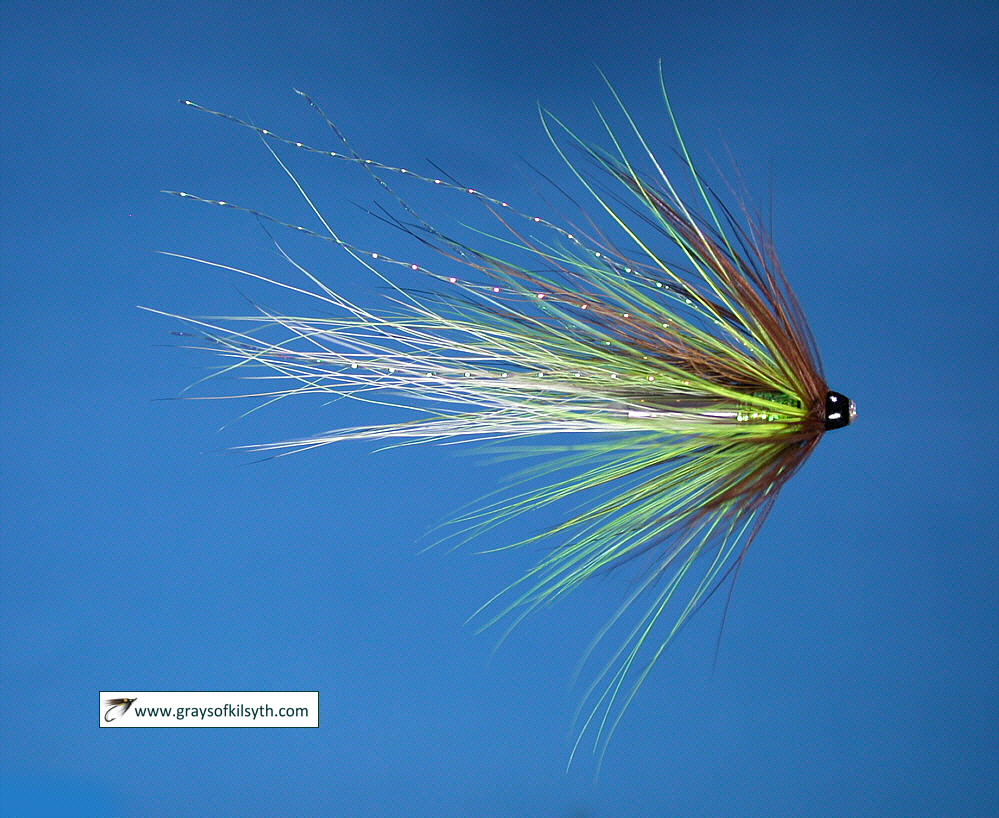
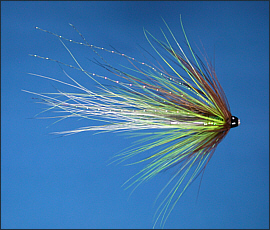
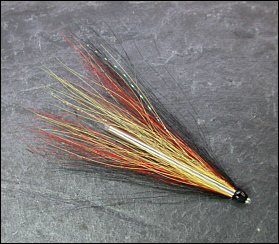 Willie Gunn Needle
Tube Fly
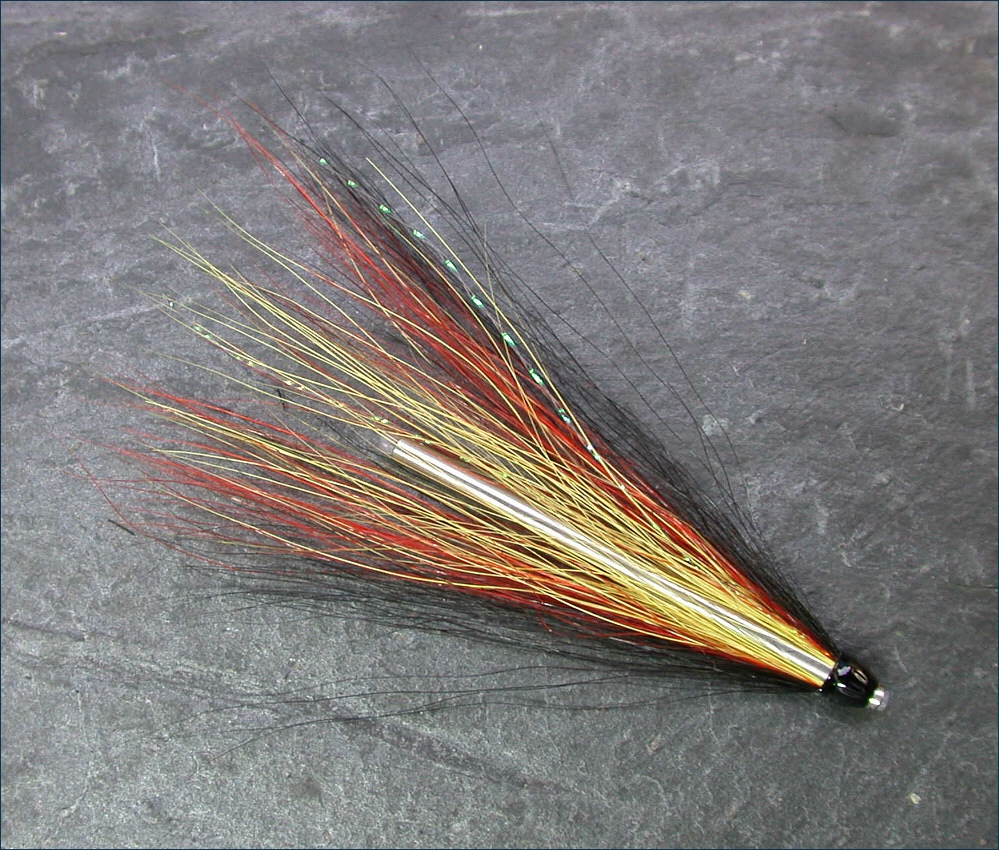
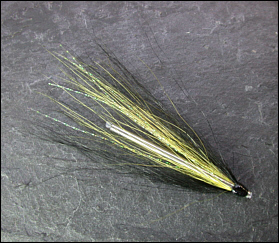 Black & Yellow
Needle Tube Fly
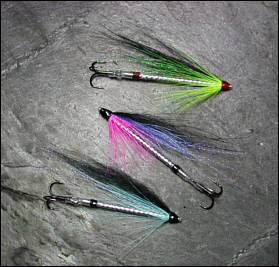 Snake Tube Flies
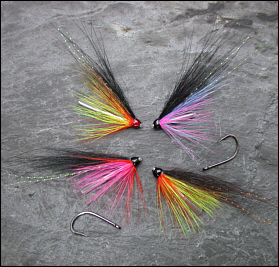
Salmon Needle Tube Flies
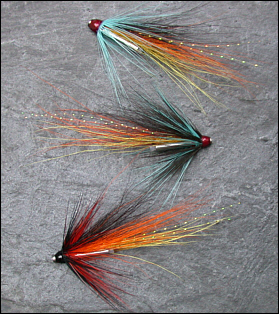
Summer Shrimp Tube
Flies
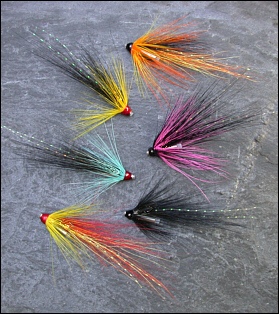
Mini Tube Flies
|
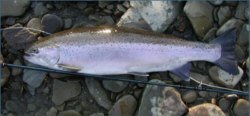
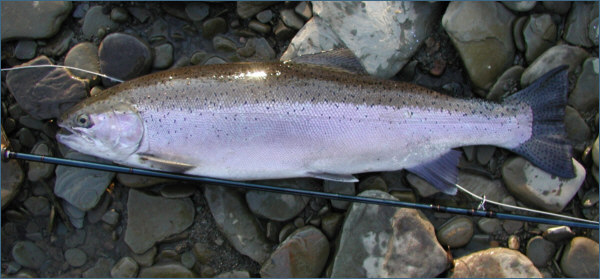
Lake
Erie steelhead taken on a needle tube fly
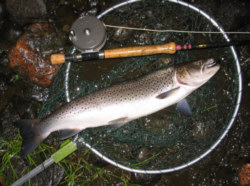
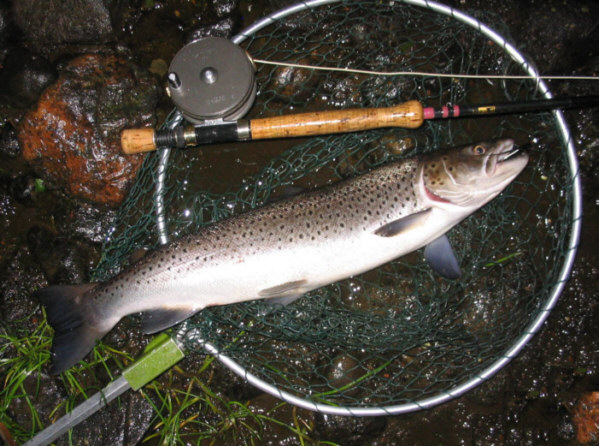
Spey
sea trout taken on a needle tube fly
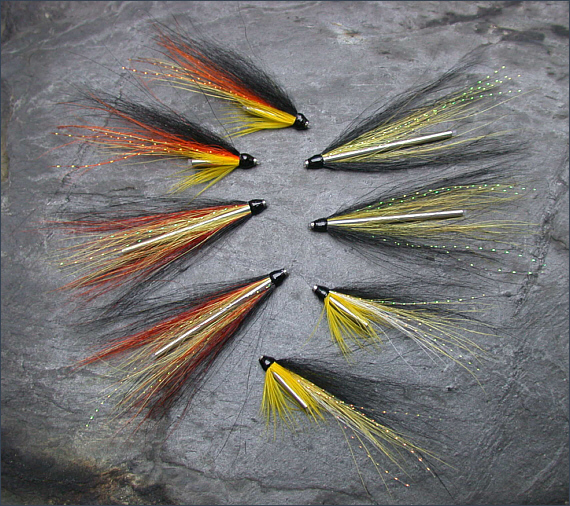
Spring Tube Selection
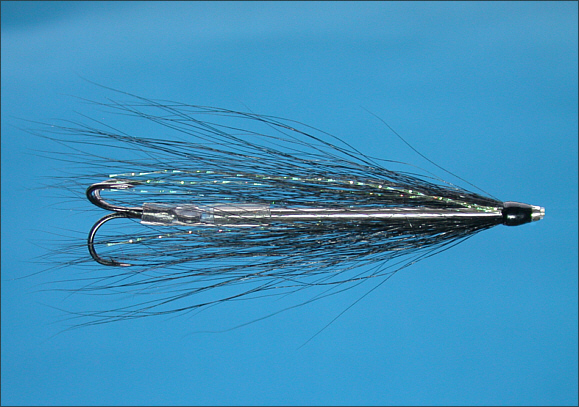
Sea Trout Needle Tube Fly
The newly developed
Needle Tubes, made from extremely fine stainless steel
tubing, the kind used in the manufacture of hypodermic
needles, are available with external diameters of 1.5
and 1.8 mm, the thinnest plastic lined metal tubes ever
made for fly tying, much slimmer than the plastic,
aluminium and copper tubes traditionally used in the
making of tube flies for salmon, sea trout and steelhead
fishing.
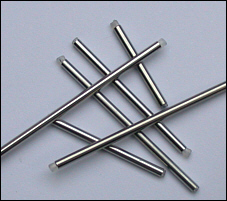
Gray's Needle Tubes
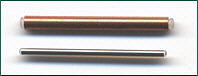
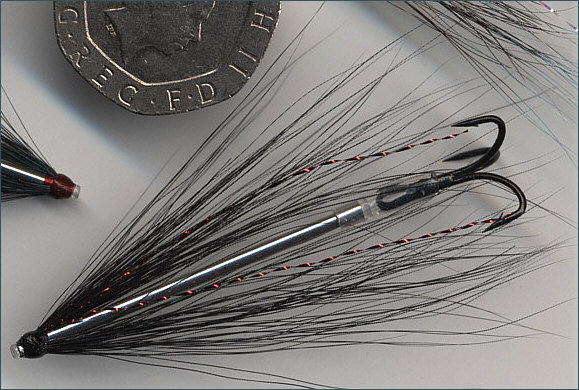
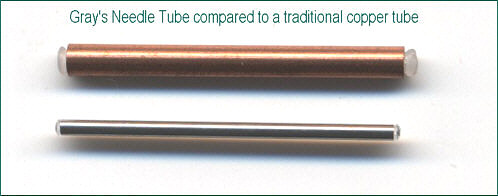
Gray's Needle
Tubes are much finer than
traditional tubes, as shown by this
comparison of a conventional copper
tube of about 3mm diameter and a
stainless steel needle tube of 1.5mm
diameter.
Dressing Gray's Needle Tubes
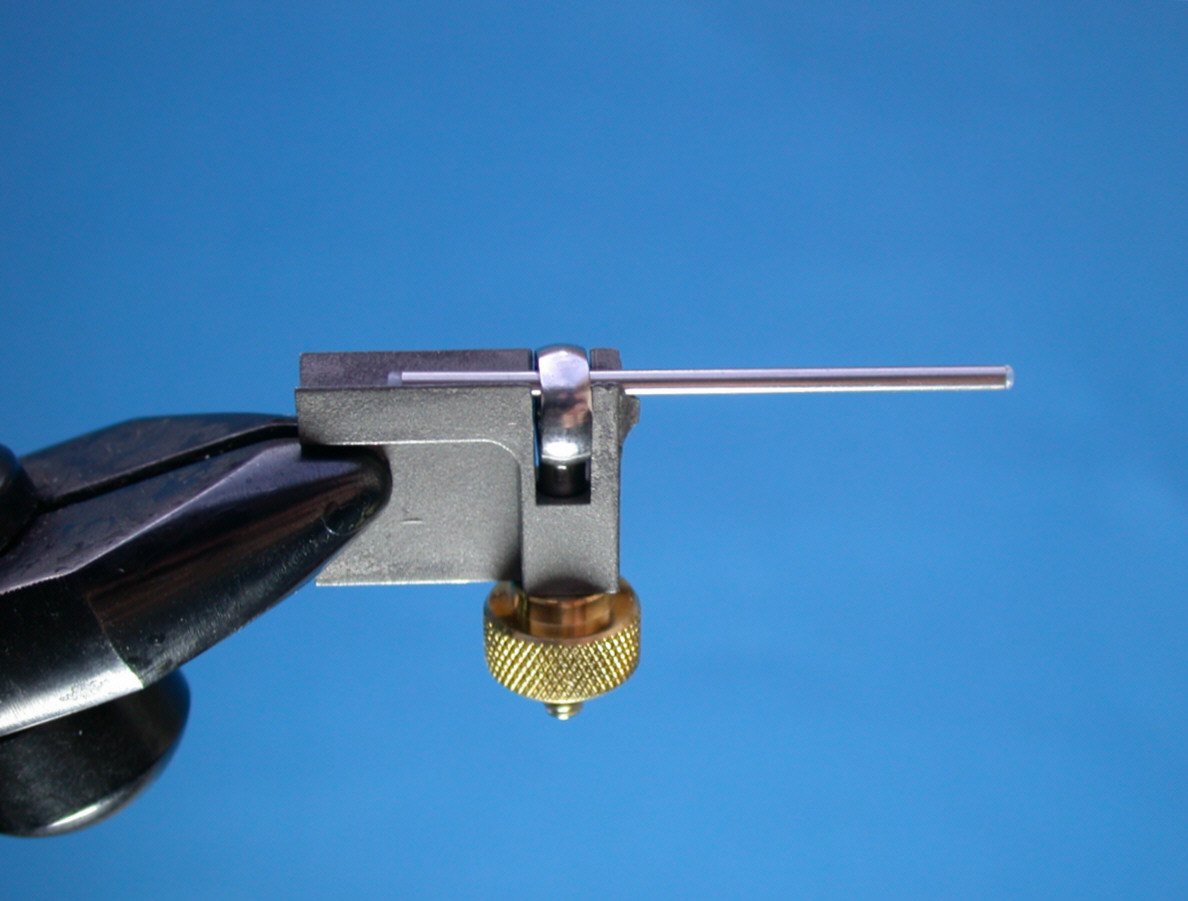
To
dress the needle tubes, the tube should be secured in a
suitable
Tube
Fly Vice ,
which can be simply and quickly fitted to
any standard fly tying vice.
The
tube fly body may be dressed in the normal way or left
undressed to give a simple, very slim silver fly body,
as shown in the examples below.
To
complete the tube fly, a short length of silicone tubing
is then used to connect a hook of appropriate size,
treble, double or single.
If
tube flies longer than 40 mm are required, two tubes may
be joined in tandem by a length of the silicone or PVC
tubing to produce a tube fly of anything up to 8 cms in
length.
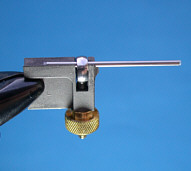
HMH Tube Vice
Adapter
More Needle Tube Flies
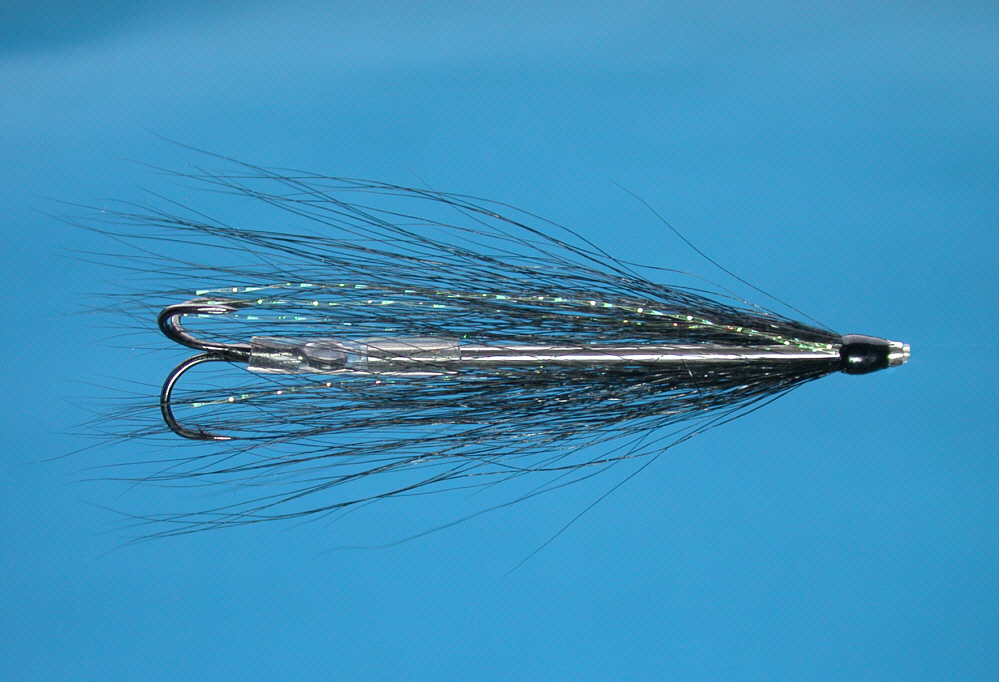
Below are some more examples of tube flies dressed on
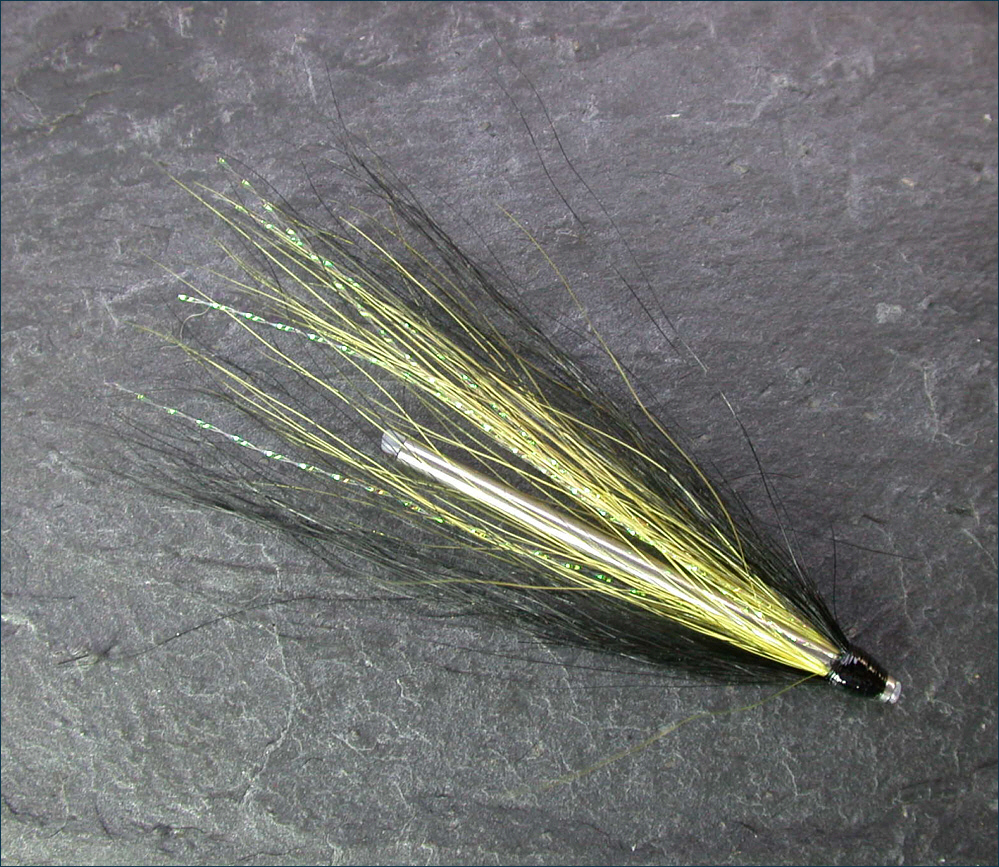
the new Needle Tubes. The first is a simply dressed Spey
Shrimp salmon tube fly dressed in the style
of Ally Gowans's famous Cascade salmon fly. The second
is a simple needle tube fly with an outside diameter of
only 1.5 mm, similar and profile to a snake fly but more
easily made, intended primarily for late night
sea trout fishing. In both examples, the bare silver
shank of the stainless steel tubes have been left
undressed to produce the slimmest possible bodies.
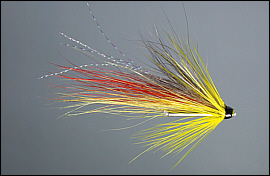
Spey Shrimp Tube Fly
step by step tying guide
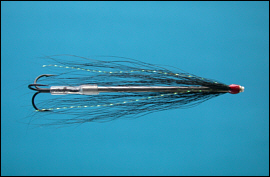
Sea Trout Needle Tube Fly
step by step tying guide
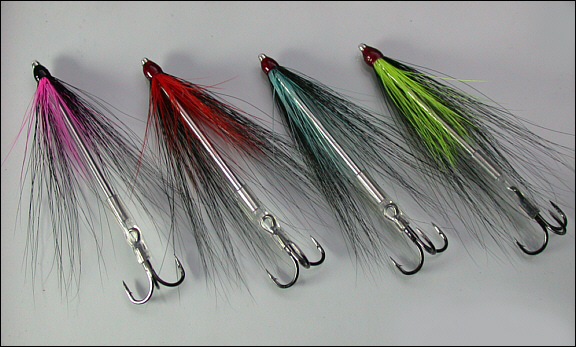 Night Tube Flies for
Sea Trout
Being made from fine polished stainless steel, the kind
used in the making of hypodermic needles, needle tube
flies sink more readily than plastic or aluminium tube
flies but fish a little less deeply, and perhaps more
attractively, than the heavier
copper and brass tubes. Needle
Tube Flies compare in weight and
profile to flies dressed on Waddington
shanks, but with the important benefit that the hook is
easily changed on the needle tube fly. Needle tubes are
also much easier to dress than Waddington or snake
lures.
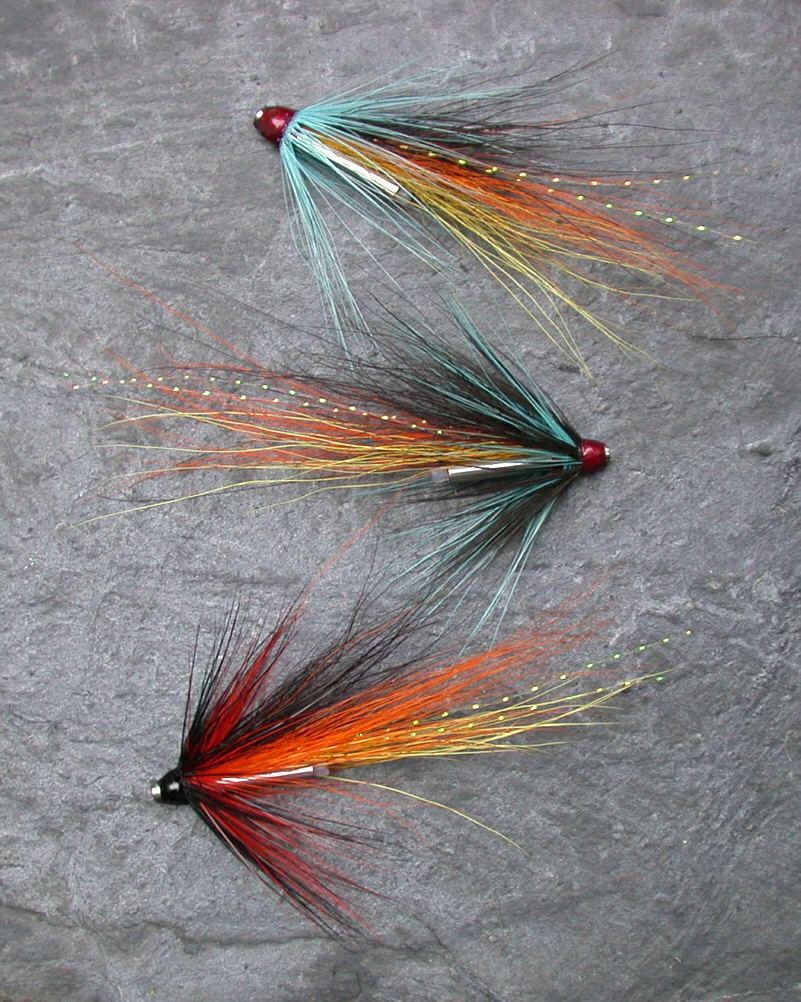
The tube flies below include variants of
Ally Gowans's famous Ally's Shrimp and Cascade salmon
flies, dressed on Grays needle tubes. In addition to the
Cascade needle tube fly and Ally's Shrimp, I have shown
a Highland Cascade tube fly, a Fiery Cascade and a couple of Blackback Needle Tube Flies.
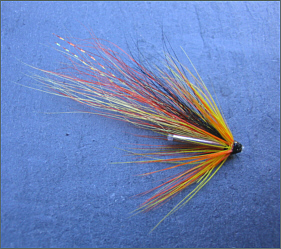
Cascade Tube Fly
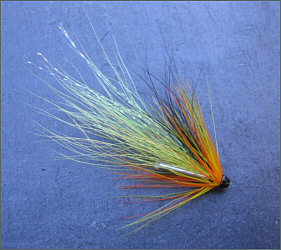
Highland Cascade
Tube Fly
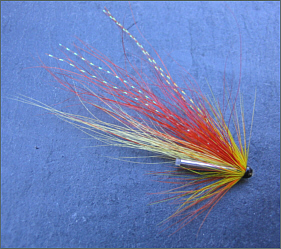
Fiery Cascade Tube
Fly
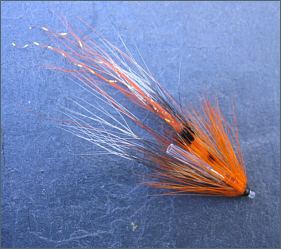
Ally's Shrimp Tube
Fly
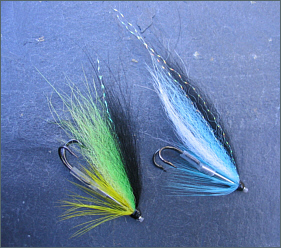
Blackback Tube Flies
Now
available in our Online Fly Shop
Seven boxed selections of
Salmon Needle
Tube Flies and one for sea trout, all dressed on
Grays Needle Tubes. For details, see:
Scottish Shrimp Tube Flies
Spey Shrimp Tube Flies
Minitubes
Wee
Monkeys
Blackback Tubes
Irish
Shrimp Tubes
Sea Trout Tube Flies
For more information, or to buy some of the new fly
tying tubes, see
Gray's Needle Tubes
|

Quick Product Links
Our Needle Tubes and boxed selections of
trout, sea trout and salmon flies are available in our
online fly shop. All online
payments are processed by the trusted Paypal payment system, the
safest way to shop on the internet. You can be
sure that your personal and credit card details will remain strictly
confidential and secure. We normally dispatch all orders within 24 hours of receipt of
your order, by
first class post within the UK (which often means next day delivery for
orders placed early in the day) and by airmail to international destinations. Read
comments from our customers |